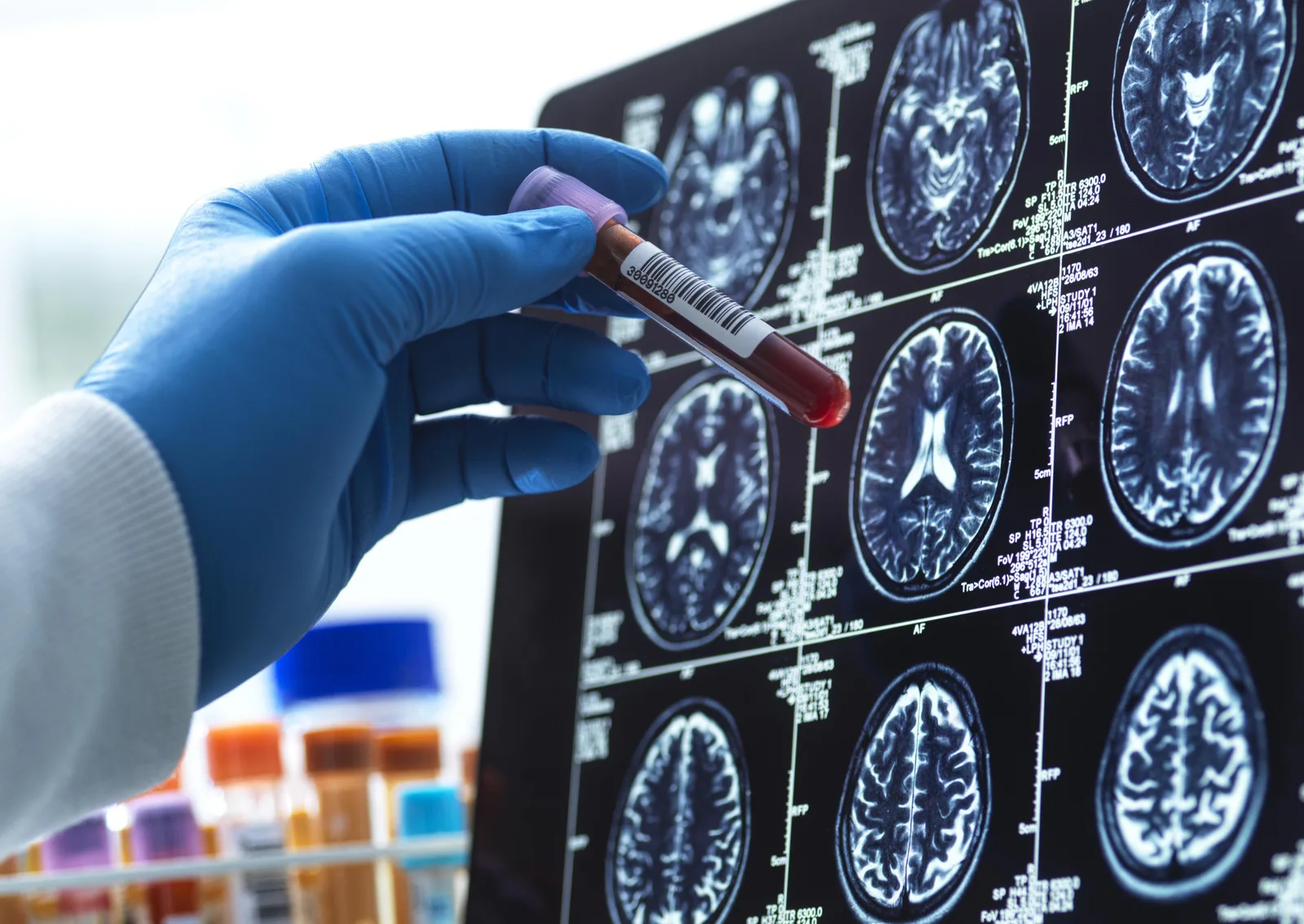
Diagnostic screening
Blood work, imaging, or functional tests establish a baseline and help rule out alternative explanations.
Explore how treatment typically progresses for common conditions — what happens at diagnosis, during active treatment, and through follow-up.
Elevated A1C or fasting glucose is confirmed on repeat testing; baseline kidney and lipid panels are drawn.
Lifestyle changes begin alongside medication; additional agents may be considered based on glucose response and cardiovascular or kidney risk.
Ongoing A1C checks, annual eye and foot exams, and kidney function monitoring guide long-term management.
Recovery guidance: consistent glucose monitoring and gradual lifestyle changes are generally more sustainable than dramatic short-term shifts. Treatment goals are individualized according to clinical risk and response.
Elevated readings are evaluated across multiple measurements, often with home blood pressure monitoring.
Lifestyle measures are introduced and medication may be started or adjusted according to blood pressure and cardiovascular risk.
Periodic readings and laboratory monitoring help confirm control and identify medication-related effects.
Headache pattern, triggers, associated symptoms, and neurological findings are reviewed to establish the diagnosis.
Acute therapy is selected for individual attacks; preventive treatment may be added when attacks are frequent or disabling.
A headache diary tracks frequency, severity, and triggers to inform future treatment adjustments.
Clinical pathways are not always linear. Test results, treatment response, side effects, and individual risk can change the next step.
New findings may confirm a diagnosis, rule out alternatives, or require additional testing.
If symptoms or clinical markers do not improve, clinicians may modify the treatment approach.
Adverse effects can lead to dose adjustments, medication changes, or closer monitoring.
Age, other conditions, medications, preferences, and long-term risk influence treatment choices.
A little preparation can help make appointments more focused and give clinicians a clearer picture of symptoms, medications, and treatment goals.
Include prescriptions, over-the-counter medicines, and supplements with current doses when possible.
Note when symptoms started, how often they occur, what makes them better or worse, and how they affect daily life.
Ask about treatment goals, alternatives, expected benefits, possible side effects, and follow-up.
Recent laboratory results, imaging reports, and specialist notes can help provide useful clinical context.
Blood work, imaging, or functional tests establish a baseline and help rule out alternative explanations.

Options are reviewed collaboratively, weighing effectiveness, side effects, risks, and individual goals.

Scheduled check-ins track response to treatment and help identify complications or needed adjustments.